Water Damage

Expert Water Damage Remediation Services for Safe and Effective Restoration

Water damage is one of the most pressing challenges a property owner can encounter. Whether resulting from a burst pipe, leaking appliance, roof damage, or natural flooding, water intrusion can compromise structural integrity, damage personal property, and create an environment conducive to mold and mildew growth.

Effective remediation is crucial to restoring affected areas safely and preventing further deterioration. Expert Water Damage Remediation Salt Lake City services provide a systematic, professional approach that ensures complete recovery while prioritizing safety, efficiency, and long-term protection for any property.
water damage

Understanding the Impact of Water Damage

Water damage is not simply about wet floors or ceilings. Moisture can infiltrate structural components, insulation, and hidden cavities, creating long-term risks if left untreated. Common consequences include:

  • Structural Damage: Prolonged exposure to water can weaken wood, drywall, subflooring, and foundations, leading to warping, sagging, or even structural failure.
  • Mold and Mildew Growth: Moisture provides an ideal environment for mold and mildew, which can develop within 24–48 hours after water exposure. Mold growth poses significant health risks and can damage materials.
  • Electrical Hazards: Water exposure near electrical systems can create short circuits or fire risks.
  • Property Loss: Personal belongings, furniture, and electronics may sustain permanent damage without proper remediation.

Because many of these issues are not immediately visible, professional remediation is essential. It addresses both the obvious and hidden consequences of water intrusion to ensure safe and effective restoration.

Common Causes of Water Damage

Water damage can occur from various sources, each requiring tailored remediation strategies:

  1. Plumbing Failures: Burst or leaking pipes, faulty faucets, and water heater malfunctions can release large volumes of water.
  2. Appliance Malfunctions: Washing machines, dishwashers, and refrigerators may overflow, causing localized flooding.
  3. Roof Leaks: Damaged shingles, worn flashing, or blocked gutters allow rainwater to enter interior spaces.
  4. Natural Flooding: Heavy rain, storms, or rising water levels can inundate both residential and commercial properties.
  5. Sewer Backups: Contaminated water from sewer lines requires specialized cleaning to ensure safety.

Professional remediation services are equipped to handle all these scenarios, providing fast, thorough, and safe solutions to restore properties effectively.

The Importance of Prompt Remediation

Time is a critical factor in water damage recovery. Delays can exacerbate damage, increase costs, and allow mold growth to accelerate. Prompt remediation offers several benefits:

  • Reduces Structural Damage: Quick water removal minimizes warping, cracking, and weakening of building materials.
  • Prevents Mold Growth: Mold can begin to grow within hours, making early intervention essential.
  • Ensures Safety: Removing standing water and addressing moisture prevents slip hazards, electrical issues, and microbial contamination.
  • Cost Savings: Early remediation reduces repair expenses by preventing long-term deterioration and property loss.

Expert remediation teams prioritize rapid response to stabilize the property and mitigate further damage efficiently.

The Professional Water Damage Remediation Process

Effective water damage remediation involves a systematic approach to ensure comprehensive recovery. The typical process includes:

1. Inspection and Damage Assessment

The first step is a thorough inspection to evaluate the extent of water intrusion. Professionals identify the source of the water, assess affected areas, and classify the type of water involved (clean, gray, or black water), which determines the level of treatment required. Advanced tools, such as moisture meters, thermal imaging cameras, and hygrometers, detect hidden water in walls, subfloors, and insulation.

2. Water Extraction

After assessment, standing water is removed using high-capacity pumps and industrial-grade vacuums. Fast and efficient water extraction reduces the risk of further damage to structural components, furniture, and other valuable items. This stage sets the foundation for successful drying and remediation.

3. Drying and Dehumidification

Following water removal, drying and dehumidification are essential to remove residual moisture. Air movers and industrial dehumidifiers ensure that both visible and hidden areas are thoroughly dried. Continuous moisture monitoring confirms that structural elements, subfloors, and wall cavities are free from lingering water that could lead to mold or further deterioration.

4. Cleaning and Sanitization

Water damage often leaves behind contaminants, odors, and debris. Professional remediation includes deep cleaning and sanitization to restore a safe and hygienic environment. In cases involving contaminated water, specialized cleaning agents neutralize bacteria, viruses, and other pathogens, reducing health risks for occupants.

5. Structural Repairs and Restoration

The final stage involves repairing or replacing damaged materials, including drywall, flooring, insulation, and other structural components. The objective is to return the property to its pre-damage condition while ensuring durability and safety. Expert remediation ensures repairs are performed correctly and efficiently to prevent future issues.

Preventing Mold Growth After Water Damage

Mold is one of the most serious consequences of water damage. It thrives in damp, poorly ventilated spaces and can cause significant health and property problems. Professional remediation services focus on mold prevention through:

  • Immediate Water Removal: Eliminates the moisture necessary for mold growth.
  • Thorough Drying: Ensures all areas, including hidden cavities, are free from residual moisture.
  • Sanitization: Uses cleaning agents to remove spores and bacteria.
  • Post-Restoration Monitoring: Confirms that moisture levels remain safe, preventing delayed mold growth.

By addressing water damage and mold risks simultaneously, expert remediation protects both the property and occupant health.

Health and Safety Considerations

Water damage presents multiple health and safety hazards. Contaminated water may contain bacteria, viruses, and harmful chemicals, while mold growth can negatively impact indoor air quality.

Professional remediation teams prioritize safety by:

  • Use personal protective equipment (PPE) during cleanup.
  • Isolating affected areas to prevent cross-contamination.
  • Following industry standards for handling contaminated water and materials.

This ensures that the property is restored safely, protecting both the occupants and remediation workers.

Residential Water Damage Remediation

Homes are particularly vulnerable to water damage due to plumbing systems, daily water use, and valuable personal belongings. Residential remediation focuses on:

  • Salvaging furniture, electronics, and other personal items.
  • Restoring structural elements such as flooring, walls, and ceilings.
  • Ensuring a safe and comfortable living environment for occupants.

Prompt professional remediation minimizes disruption to daily life and prevents long-term structural damage.

Commercial Water Damage Remediation

Commercial properties face unique challenges when water damage occurs. Business operations may be disrupted, inventory compromised, and employee or client safety affected. Expert commercial remediation emphasizes:

  • Rapid response to minimize downtime and financial losses.
  • Comprehensive restoration to protect structural integrity and business assets.
  • Efficient cleanup to allow operations to resume safely and quickly.

Professional remediation services help commercial property owners maintain business continuity while safeguarding property and personnel.

Advanced Equipment and Expertise

Expert water damage remediation relies on advanced technology and industry knowledge. Moisture meters, thermal imaging cameras, industrial dehumidifiers, and high-capacity water extractors enable professionals to detect hidden damage, remove water efficiently, and dry structural components effectively.

Trained technicians understand how different building materials respond to water, ensuring proper methods are applied to avoid further damage. This combination of technology and expertise ensures safe, effective, and lasting restoration.

Preventive Measures for Future Protection

Preventing water damage is as important as remediation. Property owners can reduce risks by:

  1. Regular Inspections: Check plumbing, roofing, and drainage systems for wear and leaks.
  2. Routine Maintenance: Clear gutters, repair minor leaks, and replace aging fixtures.
  3. Waterproofing: Reinforce basements, foundations, and other vulnerable areas.
  4. Monitoring Systems: Install water sensors or alarms to detect leaks early.

By combining preventive strategies with professional remediation, properties are better protected from recurring water damage and mold problems.

Choosing Professional Water Damage Remediation Services

Selecting the right remediation provider is critical for successful restoration. Professional services offer:

  • Fast Response: Immediate intervention to limit damage and prevent mold growth.
  • Comprehensive Solutions: Full-service restoration including assessment, water removal, drying, cleaning, and repairs.
  • Advanced Technology: Industrial-grade equipment for efficient and thorough remediation.
  • Skilled Technicians: Certified professionals trained in safety protocols and water damage restoration.
  • Clear Communication: Transparent guidance on process, timeline, and costs.

Engaging experienced professionals ensures that water damage is addressed effectively and safely, resulting in complete property recovery.

Long-Term Benefits of Expert Remediation

Investing in professional water damage remediation provides long-term advantages:

  • Preservation of structural integrity.
  • Prevention of mold growth and recurring damage.
  • Protection of personal property and valuable assets.
  • Improved safety and indoor air quality.
  • Maintenance of property value and functionality.

Expert remediation ensures both immediate restoration and lasting protection, giving property owners peace of mind.

Water damage is a serious threat to any property, with potential consequences ranging from structural deterioration and property loss to mold growth and health hazards. Expert water damage remediation services provide a safe, systematic, and efficient approach to restoring properties fully.

Through rapid response, advanced equipment, thorough drying, cleaning, and structural repairs, professional remediation ensures properties are returned to a safe and functional condition. Homeowners and commercial property owners alike benefit from faster recovery, minimized damage, and protection against future issues.

With expert water damage remediation, safe and effective restoration is not only achievable—it ensures long-term durability, occupant safety, and the preservation of property value.
HVAC

The Essential Role of Air Conditioning in Modern Comfort

Cincinnati Air Conditioning has become an essential part of everyday life, offering comfort and relief during the hottest months of the year. Whether it’s in homes, offices, or commercial spaces, air conditioning systems help maintain ideal indoor temperatures, ensuring comfort, productivity, and better air quality. Beyond cooling, modern air conditioning systems also play a vital role in regulating humidity, filtering pollutants, and supporting overall health and well-being. As technology advances, the importance of efficient and reliable air conditioning continues to grow, making it a critical aspect of modern living.

air conditioning

Understanding How Air Conditioning Works

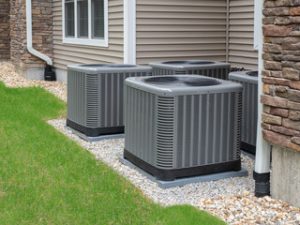
Air conditioning systems function by extracting heat from indoor spaces and releasing it outside, leaving the air cooler and more comfortable. The process typically involves a refrigerant circulating through coils, absorbing heat, and transferring it outdoors through a compressor and condenser unit. The cooled air is then distributed throughout the building using ducts or split system blowers.

There are various types of air conditioning systems available, each designed to meet different needs and building structures. Central air systems, for instance, are commonly used in larger homes and commercial buildings, providing even cooling throughout multiple rooms. Split systems are more flexible, with indoor and outdoor units connected by refrigerant lines, ideal for residential or small office use. Portable and window units, on the other hand, offer a cost-effective solution for smaller spaces. Understanding how these systems operate helps homeowners and business owners make informed decisions about the best air conditioning setup for their property.

The Importance of Professional Air Conditioning Installation

Proper installation is the foundation of any efficient air conditioning system. Even the most advanced and high-performance unit can underperform or fail prematurely if it is not installed correctly. Professional air conditioning installation ensures that the system is properly sized, securely fitted, and optimized for maximum performance.

An experienced HVAC technician evaluates several factors before installation, including building size, insulation quality, window placement, and the number of occupants. These elements determine the appropriate system size and capacity to deliver balanced cooling throughout the space. Improperly sized units—whether too large or too small—can lead to uneven cooling, increased energy consumption, and faster wear and tear.

Professional installers also handle electrical connections, refrigerant charging, and thermostat calibration to ensure the unit operates safely and efficiently. Investing in professional installation not only enhances comfort but also maximizes energy efficiency and extends the lifespan of the air conditioning system.

Key Benefits of a Reliable Air Conditioning System

The advantages of having a well-functioning air conditioning system go beyond simple temperature control. Reliable air conditioning offers a range of benefits that impact comfort, health, and energy use.

  1. Consistent Indoor Comfort – Air conditioning maintains a steady indoor temperature, preventing discomfort caused by extreme heat and humidity.
  2. Improved Air Quality – Modern systems filter out dust, pollen, and other airborne pollutants, reducing allergens and promoting cleaner indoor air.
  3. Energy Efficiency – Energy-efficient air conditioners use advanced technology to reduce energy consumption, leading to lower electricity bills.
  4. Better Sleep Quality – A cool and comfortable environment helps improve sleep, allowing the body to rest more effectively.
  5. Enhanced Productivity – In workplaces, air conditioning supports concentration and reduces fatigue, improving employee efficiency and morale.

These benefits highlight why investing in a dependable air conditioning system is not just about comfort but also about maintaining health, productivity, and cost savings over time.

Common Types of Air Conditioning Systems

Different properties require different cooling solutions depending on size, layout, and usage. Below are the most common types of air conditioning systems used today:

  1. Central Air Conditioning Systems – These are ideal for large buildings and homes, providing even cooling through ductwork. They are efficient, quiet, and capable of managing multiple zones.
  2. Ductless Mini-Split Systems – Perfect for properties without ductwork, these systems offer flexible installation and individual temperature control in each room.
  3. Window Units – Compact and affordable, window air conditioners are best suited for small spaces or single-room cooling.
  4. Portable Air Conditioners – Portable units provide flexibility by allowing users to move them between rooms, though they may be less efficient than permanent systems.
  5. Hybrid and Smart Systems – Newer air conditioning models use advanced technology to switch between energy sources or connect to smart thermostats, optimizing performance and energy savings.

Understanding the strengths of each system type helps consumers choose the most practical and energy-efficient option for their specific needs.

The Importance of Regular Air Conditioning Maintenance

Routine maintenance is essential to keeping air conditioning systems running smoothly and efficiently. Over time, dust and debris accumulate in filters and coils, reducing airflow and system performance. Neglecting maintenance can lead to higher energy bills, frequent breakdowns, and even premature failure of critical components.

During a maintenance check, HVAC professionals perform a comprehensive inspection that typically includes:

  • Cleaning or replacing air filters.
  • Checking refrigerant levels and inspecting for leaks.
  • Examining and cleaning the condenser and evaporator coils.
  • Inspecting electrical components and thermostat settings.
  • Testing system performance and airflow balance.

Regular maintenance not only helps prevent costly repairs but also enhances indoor air quality and ensures the system operates at peak efficiency. Many experts recommend scheduling maintenance at least twice a year—before the summer cooling season and after it ends—to keep the system in top condition.

Common Air Conditioning Problems and Solutions

Even well-maintained air conditioning systems can experience issues over time. Identifying and addressing these problems early helps prevent more significant damage and expensive repairs. Some common AC issues include:

  1. Poor Airflow – Blocked filters or clogged ducts can restrict airflow, reducing cooling efficiency. Regular cleaning and filter replacement can resolve this issue.
  2. Refrigerant Leaks – Low refrigerant levels can cause poor cooling performance and potential compressor damage. Professional technicians can locate and seal leaks before recharging the system.
  3. Thermostat Malfunctions – A faulty thermostat can cause inconsistent temperatures or prevent the system from turning on. Recalibration or replacement may be necessary.
  4. Frozen Coils – Dirty filters or restricted airflow can lead to frozen evaporator coils. Allowing the coils to thaw and cleaning filters usually restores normal operation.
  5. Unusual Noises – Grinding, rattling, or buzzing sounds often indicate loose parts or worn components that require professional attention.

Prompt repairs and professional diagnostics ensure that small issues don’t turn into major problems that disrupt comfort or require full system replacement.

Energy Efficiency and Sustainable Cooling Solutions

Energy efficiency is one of the most important considerations in modern air conditioning. As electricity costs rise and environmental concerns grow, more homeowners and businesses are prioritizing systems that offer sustainable performance. Energy-efficient air conditioning units use advanced compressors, variable-speed fans, and smart thermostats to reduce energy consumption without sacrificing comfort.

Some strategies to improve air conditioning efficiency include:

  1. Upgrading to a High-Efficiency Unit – Newer models have higher SEER (Seasonal Energy Efficiency Ratio) ratings, meaning they consume less energy to produce the same cooling output.
  2. Using Programmable or Smart Thermostats – Smart thermostats adjust cooling settings automatically based on occupancy and time of day, minimizing energy waste.
  3. Proper Insulation and Sealing – Well-insulated spaces retain cooled air more effectively, reducing the strain on air conditioning systems.
  4. Regular Filter Replacement – Clean filters enhance airflow and reduce energy usage.

These sustainable solutions not only lower utility costs but also contribute to a greener, more eco-friendly environment.

The Health Benefits of Air Conditioning

Air conditioning provides more than just temperature control—it also supports health and wellness. By filtering out airborne particles, allergens, and contaminants, air conditioning systems improve indoor air quality and reduce exposure to irritants that can cause respiratory problems. Proper humidity control prevents mold growth and reduces the presence of dust mites, contributing to a cleaner living environment.

Additionally, air conditioning helps protect against heat-related illnesses during extremely hot weather, which is especially important for children, the elderly, and those with medical conditions. A reliable air conditioning system thus promotes both physical comfort and long-term health.

When to Consider Air Conditioning Replacement

While regular maintenance can extend the lifespan of an air conditioning unit, no system lasts forever. Over time, efficiency declines, repairs become more frequent, and operating costs increase. It may be time to consider replacement when:

  • The system is over 10–15 years old.
  • Energy bills have steadily increased despite regular maintenance.
  • The unit struggles to maintain consistent cooling.
  • Repairs are becoming costly and frequent.
  • The system uses outdated refrigerants that are no longer eco-friendly.

Upgrading to a new energy-efficient model can result in significant savings on energy costs and improved comfort. Modern systems are designed with advanced features that enhance performance, reduce noise, and minimize environmental impact.

Choosing the Right Air Conditioning Service Provider

Selecting a qualified air conditioning service provider is just as important as choosing the right equipment. Experienced professionals ensure that installations, repairs, and maintenance are performed correctly and safely. When searching for an air conditioning company, look for:

  1. Proper Licensing and Certification – This ensures that technicians have the training and expertise to handle complex AC systems.
  2. Transparent Pricing and Estimates – Honest providers offer clear, upfront pricing with no hidden charges.
  3. Emergency Services – Availability around the clock ensures help is there when unexpected issues arise.
  4. Strong Customer Reviews – Positive feedback and testimonials reflect reliability and customer satisfaction.
  5. Maintenance Plans – Regular service plans help keep systems running efficiently while minimizing future repair costs.

Working with a professional provider guarantees that your air conditioning system remains reliable, efficient, and long-lasting.

Air conditioning is a cornerstone of modern comfort, providing cool, clean, and breathable air that enhances daily living and working conditions. Whether for residential or commercial applications, air conditioning systems deliver more than just temperature control—they contribute to health, productivity, and energy savings.

From professional installation to regular maintenance and timely repairs, every step in managing an air conditioning system requires expertise and attention to detail. Choosing energy-efficient systems and qualified technicians ensures long-term reliability and optimal performance. With the right care, an air conditioning system can provide years of comfort, cost efficiency, and peace of mind—making it one of the most valuable investments for any property.

Uncategorized

Unlock the True Potential of Your Living Space with Home Improvement

home improvement

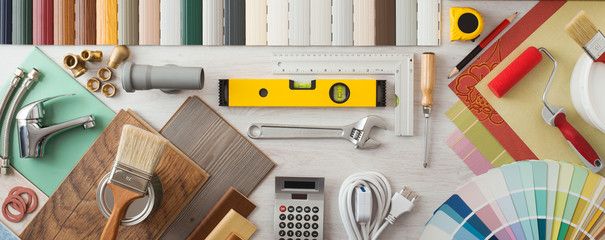
Home improvement is one of the most effective ways to increase the comfort, functionality, and value of your property. Whether you are making small updates or tackling a major renovation, improving your home creates a living environment that better reflects your lifestyle and needs. From refreshing outdated interiors to enhancing outdoor spaces, home improvement projects not only elevate aesthetics but also provide long-term benefits in terms of energy efficiency, organization, and property value.

The Importance of Home Improvement

A home is more than just a place to live—it’s a reflection of your personality and a significant investment. Home improvement ensures that your space remains safe, modern, and suited to your evolving needs. Over time, homes experience wear and tear, and outdated features can impact both comfort and efficiency. Renovations and upgrades help address these issues while creating a more functional and visually appealing space.

Beyond personal satisfaction, home improvement projects can significantly increase property value. Buyers are often willing to pay more for homes with modern kitchens, updated bathrooms, well-designed outdoor areas, and energy-efficient features. For homeowners considering resale in the future, improvements can provide a strong return on investment.

Popular Home Improvement Projects

Home improvement covers a wide variety of upgrades and renovations. Some of the most common projects include:

Kitchen Remodeling – Often considered the heart of the home, kitchen updates are among the most popular improvements. From modern cabinetry and countertops to energy-efficient appliances, remodeling a kitchen improves both function and style.

Bathroom Renovations – Bathrooms can be transformed into relaxing retreats with updated fixtures, new flooring, stylish vanities, and improved lighting. Even small upgrades, such as replacing faucets or mirrors, can make a big difference.

Outdoor Enhancements – Decks, patios, and landscaping projects extend living spaces and create inviting areas for relaxation and entertainment. Exterior updates like siding replacement or new paint also improve curb appeal.

Flooring Upgrades – Replacing old flooring with hardwood, laminate, tile, or carpet instantly refreshes a home’s look while increasing durability and ease of maintenance.

Energy-Efficient Improvements – Installing better insulation, energy-efficient windows, and modern HVAC systems not only lowers utility bills but also contributes to environmental sustainability.

Basement and Attic Conversions – Transforming unused areas into livable spaces adds functional square footage, whether it’s a home office, guest room, or entertainment area.

The Benefits of Home Improvement

Home improvement projects offer a wide range of benefits that go beyond visual appeal:

  • Enhanced Comfort: Renovations create a space that better suits your lifestyle and improves overall livability.
  • Increased Efficiency: Energy-efficient upgrades reduce long-term costs and promote sustainability.
  • Boosted Property Value: Strategic improvements make your home more appealing to potential buyers.
  • Improved Functionality: Storage solutions, layout changes, and modern fixtures increase the usability of your home.
  • Personal Satisfaction: Customizing your home to reflect your style provides a sense of pride and fulfillment.

Planning Your Home Improvement Project

Successful home improvement requires thoughtful planning. Before starting a project, consider your goals, budget, and timeline. Identify the areas of your home that need the most attention, and prioritize projects that will deliver the greatest impact.

Design inspiration is an important part of planning. Explore different styles, color schemes, and materials that align with your preferences. Whether you prefer a modern, rustic, or traditional aesthetic, cohesive design choices create a harmonious environment.

Budgeting is another key step. Set a realistic budget that accounts for both materials and labor. It’s wise to allocate extra funds for unexpected expenses, as surprises can often arise during renovations.

DIY vs Professional Services

Homeowners often face the choice between tackling projects themselves or hiring professionals. DIY projects can be cost-effective and rewarding for smaller tasks like painting, basic landscaping, or installing fixtures. However, larger or more complex projects, such as electrical work, plumbing, or structural changes, should be left to professionals to ensure safety and quality.

Professional services provide expertise, efficiency, and precision. Skilled contractors bring experience that guarantees lasting results and can often complete projects faster than DIY efforts. Choosing between DIY and professional help depends on your skills, the complexity of the project, and your desired outcome.

Home Improvement and Sustainability

Sustainability has become a growing trend in home improvement. Eco-friendly materials, solar panels, water-saving fixtures, and energy-efficient systems not only benefit the environment but also reduce long-term costs. Homeowners who prioritize sustainability can create healthier living spaces while making a positive environmental impact.

Repurposing and upcycling materials are also part of sustainable home improvement. Reusing wood, refurbishing furniture, or incorporating reclaimed elements reduces waste and adds unique character to a home.

Tips for a Successful Home Improvement Experience

To make the most of your project, keep these tips in mind:

  • Set Clear Goals: Define what you want to achieve before starting.
  • Work in Phases: If tackling multiple projects, break them down into manageable steps.
  • Choose Quality Materials: Investing in durable materials ensures long-lasting results.
  • Stay Organized: Keep track of timelines, budgets, and design plans to avoid delays.
  • Communicate Clearly: If working with professionals, maintain open communication to ensure your vision is understood.

Home improvement is an exciting and rewarding way to transform your living space into something more comfortable, efficient, and visually appealing. From small updates to large-scale renovations, every improvement adds value and enhances your lifestyle. With careful planning, quality craftsmanship, and attention to detail, your home can become a true reflection of your personality and needs.

Whether your goal is to modernize interiors, create outdoor living areas, or boost energy efficiency, home improvement projects provide lasting benefits for years to come. By investing in your home, you’re investing in your comfort, happiness, and financial future.

Metal Craft

Steel Stairs and Railings Vs Wood Or Aluminum Systems

Steel Stairs and Railings

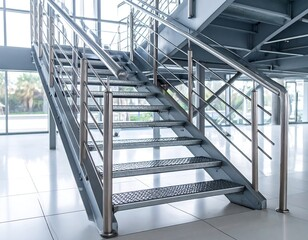
Stair railings can be made from a wide range of materials. Wood admits curves, turned spindles and carved details, while Steel Stairs and Railings offer styles from slender rods to panels of straight lines for a minimalist look.

Aluminum systems are a popular option because of their versatility and durability. They’re also lightweight and require very little maintenance to keep their attractive appearance.

Cost

There are a number of factors that determine the cost of a staircase railing system. The material type plays a big role, as does the design complexity and other options. Adding features like integrated lighting or ADA-compliant handrails increases the overall price. Installation and machining costs also play into the final estimate.

Steel and aluminum are both durable materials that can withstand a range of weather conditions. They’re popular in commercial spaces because of their versatility, durability and modern aesthetics. Stainless steel is a popular choice for industrial environments due to its high strength and durability, while aluminum offers a cost-effective alternative. These options are also easy to install and require minimal maintenance, which translates into lower long-term expenses.

Wood railings offer a more classic look and go well with older or cottage-style homes. They can be stained or painted to match the surrounding decor, but it adds to the project’s overall cost. Wood railings require more frequent upkeep than metal ones, and they’re more prone to damage from wear and tear.

For a more contemporary appearance, glass railings are a great option. They’re available in a variety of colors, tints, and textures to create a custom look that’s unique to your home. Our experts can craft a glass railing that’s safe and stylish, reflecting your personal style while adhering to building codes and engineering standards.

If you’re looking for a low-cost alternative to stainless steel, consider using brushed aluminum. This material is a good choice for outdoor use because of its corrosion resistance and minimal upkeep requirements. It also has a more lightweight feel than stainless steel, which can help prevent accidents and injuries. Brushed aluminum is also a good choice for curved staircases because of its flexibility and ability to conform to the shape of the stairs. In addition to reducing the weight of your stairway, it’s also eco-friendly because it’s recyclable and uses less energy during production. This helps to reduce pollution and greenhouse gas emissions. The only downside is that brushed aluminum doesn’t resist fingerprints and smudges as easily as other materials.

Durability

Steel is a strong, durable material that can withstand the test of time. It also doesn’t rust easily, making it ideal for outdoor use or wet environments. Plus, stainless steel handrails offer a sleek appearance that suits a variety of architectural styles and design themes. In addition, it is cost-effective and easy to maintain, making it an excellent choice for homeowners looking to upgrade their staircase.

Modern stair railings are redefining safety by offering the perfect balance of style and practicality. These sophisticated railings are a perfect example of the integration of beauty and durability that many home remodelers seek. Stair railings can be crafted from a wide range of materials, from bold metal railings to refined wood or glass balusters. Their streamlined design enhances the visual continuity of your space, helping to make it feel more spacious and inviting.

When it comes to choosing the right stair railing for your home or business, the most important factor is durability. Your stair railing needs to be able to withstand heavy foot traffic and other stresses, such as impacts. It should also be strong enough to protect people from falling off the side of the stairs. Stair railings are available in a variety of materials, including wood, aluminum and steel. Each type of stair railing has its own benefits and drawbacks.

While wood may seem like a safe choice, it can become outdated quickly. It can be difficult to keep wood clean, and it’s vulnerable to water damage. Moreover, it can be a fire hazard if not properly maintained.

Another option is metal stair railings, which are extremely durable and long-lasting. They can be made of steel or aluminum, depending on the environment and design style you want. Aluminum stair railings are often used indoors in commercial or industrial settings, while steel is more commonly seen outdoors. Aluminum stair railings are typically anodized or powder-coated, which protects them from corrosion and requires minimal maintenance.

Steel stair railings are an excellent option for high-traffic areas, as they’re strong and durable and have a sleek look. However, they can be costly if you opt for a custom design or an ornate one.

Maintenance

The strength and durability of steel makes it a popular choice for many modern staircases. It can also be crafted to a variety of styles that suit a wide range of homes and businesses. However, like other types of materials, it requires regular maintenance to keep it in good condition. The main maintenance concern for steel stair railings is rust, which can occur if the metal is not treated regularly. The best way to avoid this is to use a protective coating. The coating should be applied to the bare metal surface and reapplied every year. In addition, the coating must be kept clean to prevent damage from dirt and moisture.

Stairs made of wood have been a common feature in houses for years, but their popularity has declined as new materials have become available. Wood is easy to work with and comes in a variety of colors and finishes. It can be stained or painted to match a room’s décor, making it an inexpensive option for home remodeling projects. Wood railings are also easy to maintain and clean, but can be difficult to repair if damaged.

If you want to make your stairway look more modern, horizontal balusters are a good choice. They offer a sleek, contemporary appearance and meet the latest safety standards. They are also relatively easy to install, as they don’t require special tools or heavy machinery.

Stainless steel and aluminum railings are another popular choice for a modern staircase. They offer a sleek, sophisticated aesthetic and are suitable for both residential and commercial spaces. They can be fashioned into a variety of designs, including art deco and vintage ornamental styles. These railings are a great choice for high-traffic areas, because they can withstand a lot of wear and tear.

Stairway landings are a level platform that provides a place for people to stop while they are climbing a flight of stairs. They are used to protect people from falling off the staircase and help them to safely navigate between floors. Stairway landings should be at least 30 inches deep and 22 inches wide, and they must be protected by standard 42-inch handrail systems. Stairway landings should be located on both sides of the staircase, but they are most commonly found on the closed or wall side. Wall-mounted handrails are available in a number of styles, including pigs ear and mopstick.

Aesthetics

Aesthetics matter, and stair railings play an important role in elevating the look of any space. Metal stair railing ideas are available in sleek and refined designs that balance safety with contemporary style. They can also be customized to meet unique needs and tastes, integrating seamlessly into any design theme.

Modern horizontal bar railings offer an unbroken visual line that complements any architectural style. They can be crafted in a variety of materials, each providing a different texture and finish. Some options are better suited for certain environments, such as brushed stainless steel, which is known for its fingerprint- and smudge-resistance. This feature makes it an excellent choice for high-traffic areas where a clean appearance is essential.

Aluminum is another popular stair railing material. It’s lightweight, yet durable and can be easily shaped to fit any space. It’s also more resistant to environmental damage than wood, which requires regular maintenance to prevent rot and deterioration. Aluminum is also an excellent choice for docks, where the constant movement of passengers and boaters can stress a wooden system.

While a steel or aluminum system may cost more upfront than a wood option, the long-term savings on maintenance costs can pay for the initial investment within a few seasons. Wood splinters and rots over time, and the cost of frequent seals, repairs, and replacements can add up quickly. Aluminum, on the other hand, resists issues like algae buildup, rust, and weathering, requiring minimal upkeep to maintain a new-look appeal.

In addition, the durability of a metal stair railing system can help prevent damage from natural disasters like hurricanes. Wood can easily become airborne during a severe storm, while aluminum’s lighter weight limits the stresses placed on anchor points.

In general, a metal stair railing is the best option for anyone looking to make a statement with their home or business. Whether you’re renovating a commercial building or updating your residential property, metal railings are a stylish and safe solution that meets strict safety standards without compromising aesthetics. They’re also customizable, allowing you to match them with other metal components for a seamless upgrade.

Home Improvement

How to Blend Old and New Cabinets Through Refinishing

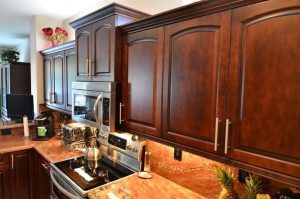
Cabinet Refinishing Modesto is a major step that can dramatically alter the look of your home. The right combination of old and new can create a stunning design narrative that fuses eras.

Cabinet Refinishing

Start by light sanding your cabinets to prepare them for paint. Then, apply a coat of primer-sealer. This will promote adhesion and a smooth finish.

Cabinet painting is an essential aspect of blending old and new cabinets through refinishing, as it offers a chance to create a narrative that connects the design elements in your kitchen. By carefully selecting a color that aligns with both current trends and your home’s aesthetic, you can elevate your cabinets to the next level of sophistication and create a stunning fusion of eras.

Before you can begin painting, you need to make sure your cabinets are clean and free of any grease or grime buildup. We recommend scrubbing them down with synthetic steel wool and a mild detergent like soap and water. Trisodium phosphate (TSP) is another great cleaning agent to use, as it emulsifies grease and makes it easier to wipe away.

Once your cabinets are clean, they’re ready to be sanded down to smooth the surface and ensure that the new paint or stain adheres properly. We highly advise hiring a professional for this step, as it’s one of the most important in ensuring quality results and that your cabinets look their best.

When it comes to sanding, the type of wood your cabinets are made from will also play a role in how well they’ll respond to the restoration process and final appearance. For example, oak will have a prominent grain pattern that doesn’t translate as easily to modern styles as other types of wood do. If you decide to restain your cabinets, you’ll need to carefully research techniques as it can be difficult to achieve a uniform application that matches the original look of your cabinets.

Once your cabinets are sanded, they’re ready to be primed and painted. We recommend using a white or gray primer for the base coat, as this will provide a neutral backdrop that will allow you to bring in any accent colors you’d like through your doors and hardware. We also suggest applying a clear coat over the top of your final coat for added protection and shine. Finally, once your cabinets are dry, you can reinstall them and reattach any hardware that you removed earlier, referring to the labels you made to ensure they’re positioned correctly.

Hardware

Cabinet hardware is the final, unifying element that can make or break a restoration project. The right handles and knobs can bring your vision to life by blending the old and new into a stunning fusion of eras. Hardware can also add a hint of drama and a pop of color to the room, making it an important part of the design process.

The first step in refinishing your cabinets is determining the desired color and texture. You can paint your cabinets to create a uniform application of color that complements modern decor, or you can stain them to highlight the natural wood grain and character of your home.

Staining options range from a soft gray or white to dark green or brown, so you’re sure to find the perfect color to suit your creative vision.

Once you’ve chosen your color, it’s time to sand and vaccum your cabinets to prepare them for painting. It’s recommended that you use a medium-grit sanding sponge or 180-grit sandpaper on a random orbital sander to scuff up the surface for better adhesion and a smoother finish. After sanding, vaccum and tack up the cabinets to remove all dust particles and debris before priming.

Layout

Cabinet restoration provides the opportunity to weave old and new elements into a creative, storied design piece that blends seamlessly with a modern home. This can be accomplished through carefully assessing how the structure and style of a set of cabinets can be preserved and highlighted in ways that complement and enhance contemporary decor. This delicate balance requires the right color choice and finishing techniques that highlight or conceal details that are reminiscent of another time.

Finishing Touches

In a room where cabinets can make or break the entire design, blending old with new is a great way to add personality. However, it’s also important to preserve the style and structure of your existing cabinets in order to create a truly unique design. By using the right colors, finishes, and hardware, you can achieve a stunning fusion of eras that fits seamlessly into your home.

Color is a key element when it comes to cabinet restoration, as it can completely transform the look of your kitchen or bathroom. Whether staining your wood cabinets to show off the natural grain or painting them for a uniform application, choosing the right shade will help unify your space and create a seamless, cohesive design. Modern color trends lean towards neutrals, but you can choose any shade that complements your home and matches your vision for the room.

Before you begin sanding and painting, you should thoroughly clean your cabinets to remove any grease or grime from the surface. You may want to use a special wood cleaner that removes dirt without damaging the surface, or you can simply clean with warm water and a soft cloth. Once the cabinets are clean, it’s a good idea to prime them to promote better adhesion and ensure an even finish. Using a premium primer like KILZ 3 will provide excellent adhesion and block any remaining stains.

Once your primer has dried, you can start the refinishing process. This can be a messy and time-consuming task, so it’s best to hire a professional service to handle the job. The professional will have the right tools and supplies for the job, as well as the knowledge and expertise to get the results you’re looking for.

Once your refinishing project is complete, you’ll need to keep them maintained in order to maintain their fresh appearance and functionality. Regular cleaning with a damp cloth will prevent dust and debris buildup, while a periodic coat of wax will protect your cabinets from heat and humidity. A high-quality finish will also ensure that your cabinets can withstand the daily wear and tear of a busy kitchen.